Discover DC Cleanex Pest Control for reliable pest management solutions with effective treatments
Discover DC Cleanex Pest Control for reliable pest management solutions with effective treatments
Blog Article
Reliable Pest Control Approaches: Keep Your Home Free of Pests
Effective pest control solutions are important for maintaining a relaxing home. Dwellers encounter various challenges from common pests, which can impede daily life. Spotting the signs of infestation is the first step in managing these matters. While eco-friendly techniques have become widespread, understanding the full spectrum of control options is essential. This exploration raises key issues about the balance between DIY solutions and when to seek professional assistance. What techniques will deliver the best results?
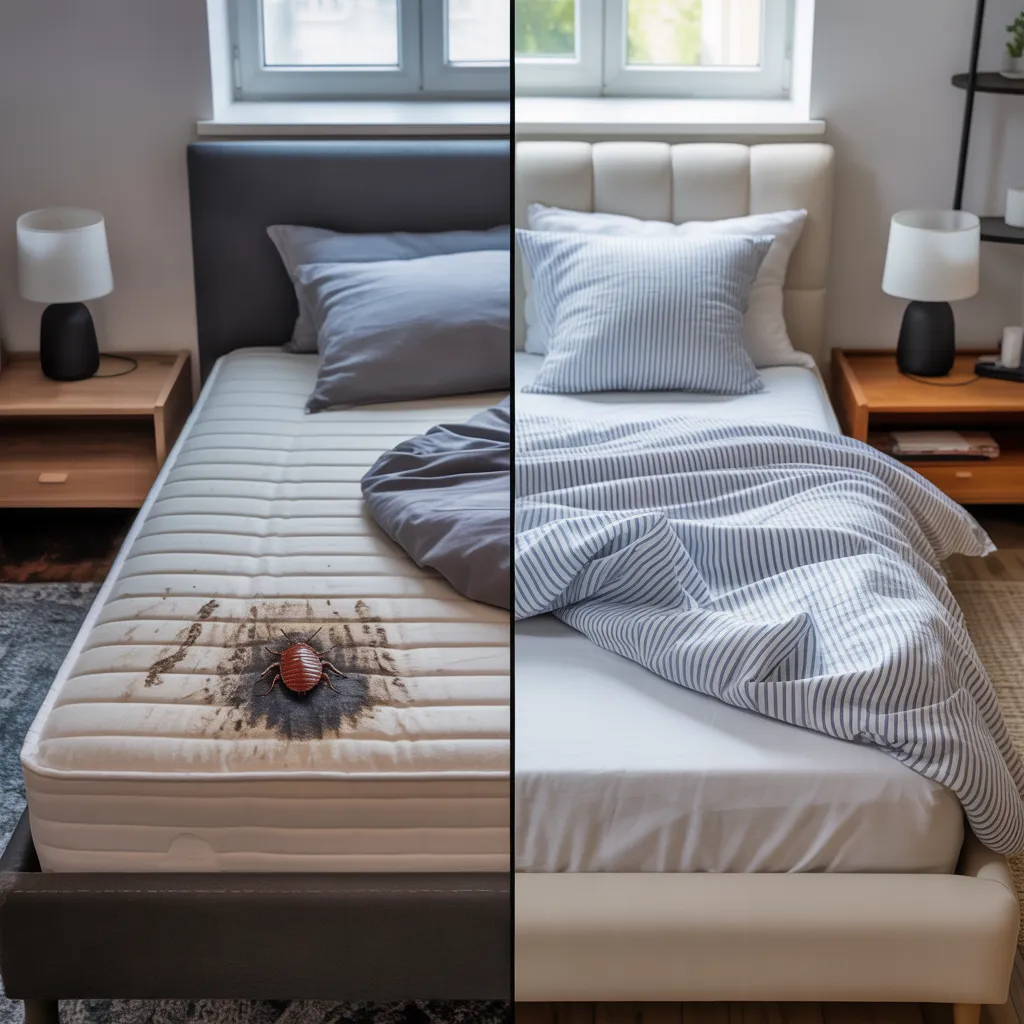
Regular Residential Nuisances and Powerful Pest Control
When homeowners discover unwanted guests in their inhabited areas, they often seek immediate solutions for everyday home insects. Among these pests, ants, cockroaches, and rodents are commonly seen. Ants typically invade kitchens in search of food, while cockroaches flourish in warm, dark areas. Rodents, on the other hand, can cause structural damage and pose health risks.
Effective pest control starts with recognition and avoidance. Property owners are advised to seal entry points, maintain cleanliness, and eliminate food sources. Traps with bait and chemical treatments can be employed for particular pest problems, though care should be taken to guarantee protection of kids and animals. In extreme situations, professional pest control services may be necessary to execute thorough eradication methods. Understanding the characteristics of these insects and employing essential resource targeted strategies creates a more wholesome home space and mitigates future infestations.
Detect Warnings of Infestation
Recognizing indicators of pest presence is essential for effective pest control. Typical signs include strange sounds, distinct smells, and observable feces or harm to property. Identifying these warning signs promptly can assist in stopping a small issue from progressing into a severe problem.
Uncommon Noises and Smells
Unusual sounds and smells can be important indicators of a pest infestation. Homeowners may hear scratching, scuttling, or gnawing sounds, especially during the night when pests tend to be active. These sounds often signal the presence of rodents, like mice or rats, that usually inhabit walls, attics, or basements. In addition, certain odors can point to an infestation. A stale or pungent smell may signal a buildup of droppings or urine, while a noxious, rotting scent could suggest dead pests nearby. Observing these auditory and olfactory signs is crucial for early detection. Prompt action to unusual noises and smells helps homeowners act before a minor problem grows into a more serious pest issue.
Noticeable Waste or Deterioration
Visible waste and destruction serve as obvious signs of a pest infestation. Property owners should be vigilant in recognizing these indicators, as they can differ significantly between different unwanted creatures. Rodent waste, for instance, are tiny, dark, and pellet-shaped, often found in concealed areas or near food sources. In contrast, insect waste may look like tiny particles or granules, depending on the species. Damage can manifest as chewed wires, gnawed furniture, or even holes in walls. Such evidence not only indicates the presence of pests but also highlights potential threats to health and property. Early detection of these signs is vital for successful pest management and preventive measures, guaranteeing a safe and pest-free environment.
Superior Natural Pest Management Practices
Although many homeowners favor chemical methods for pest control, the best natural techniques offer reliable alternatives that are both environmentally friendly and safe. Essential oils, including peppermint and lavender, can repel different insects thanks to their powerful fragrances. Diatomaceous earth functions as a natural insecticide, dehydrating pests when touched. Additionally, vinegar is a multi-purpose solution that effectively repels ants and spiders when sprayed.
Homemade snares like food-filled containers for fruit flies prove useful. Bringing in beneficial insects such as ladybugs and lacewings supports reducing pest populations without harming the ecosystem. Furthermore, frequent tidying and correct food preservation deter unwanted guests by removing attractants. Growing herbs like basil and rosemary near the home can function as natural repellents. By blending these methods, homeowners can sustain a pest-free environment while fostering a healthier living space.
Comprehending Synthetic Pest Management Choices
Chemical insect control solutions offer a range of pesticide types developed to address specific pests efficiently. Understanding these distinct compositions is vital for successful implementation and minimizing environmental impact. Furthermore, adhering to protective precautions is crucial to ensure the health of both applicators and surrounding ecosystems.
Kinds of Synthetic Pesticides
Pesticides function as an essential role in contemporary agriculture and pest control, providing a range of options designed to address specific pests efficiently. There are several kinds of chemical pesticides, such as insecticides, which manage insect populations; herbicides, which target unwanted plants; and fungicides, applied to fight fungal infections. Additionally, rodenticides are developed to eliminate rodents, while nematicides concentrate on parasitic worms. Each category contains various active ingredients, allowing for tailored approaches dependent on the pest type and infestation level. Systemic pesticides are absorbed by plants, providing internal protection, while contact pesticides act on contact with the pest. Comprehending these classifications helps in choosing the most appropriate pesticide for effective and efficient pest control.
Safety Requirements To Evaluate
When engaging in pest control, it is essential to focus on safety steps to mitigate possible risks associated with chemical applications. It is recommended that homeowners read and follow label instructions closely, ensuring accurate dosage and application methods. Personal protective equipment (PPE) such as gloves, masks, and goggles plays a key role in safeguarding against chemical exposure. You should keep children and pets away from treated areas until chemicals have fully dried and the space is properly ventilated. In addition, keeping pesticides stored securely and out of reach prevents accidental ingestion. Lastly, opting for eco-friendly alternatives can lower health risks while still managing pest problems effectively. By implementing these precautions, you ensure a safer environment while performing required pest control measures.
Establish DIY Pest Control Suggestions
Adopting DIY pest management strategies empowers homeowners to tackle infestations efficiently and cost-effectively. Simple approaches often rely on common household items, making them accessible and budget-friendly. For instance, a combination of vinegar and water can repel ants, while baking soda and sugar can lure and destroy cockroaches.
Ensuring proper cleanliness is critical; storing food safely and rapidly cleaning spills deter pest activity. Residents can form protective shields by blocking openings and cracks throughout doors and windows. Botanical oils including peppermint and tea tree oil function as natural pest repellents, supplying a fragrant replacement for chemical products.
Regularly examining the home for evidence of pests permits early response, preventing larger infestations. Traps and bait stations can be strategically set in high-traffic areas to monitor and control pest populations. By adopting these DIY strategies, homeowners can preserve a pest-free environment while promoting a sense of control and responsibility in their living spaces.
When should you get professional assistance?
Homeowners may find that despite their greatest attempts with DIY pest control methods, some invasions require professional intervention. Signs indicating the necessity for expert help include ongoing pest problems, large infestations, or the presence of pests that pose health risks, such as rodents or termites. If initial applications fail to yield results, it may be time to consult professionals who have expert expertise and tools.
Moreover, unique circumstances warrant quick expert support. These consist of the spotting of dwellings in hard-to-reach areas, potential structural injury inflicted by pests, or when dealing with dangerous pests, like wasps. Residents should equally think about expert help if they are without the availability or capabilities to manage the situation effectively. Ultimately, bringing in a pest removal expert can assure a meticulous examination and a methodical course of action, providing peace of mind and a pest-free setting.
Common Questions Answered
What Strategies Can Help Me Stop Pests From Getting Into My Home?
To prevent pests from getting into a home, one should seal cracks, install screens on windows, maintain cleanliness, keep food secured, and regularly inspect for evidence of pests. These steps significantly decrease the chance of unwanted visitors.
Are There Any Petsafe Pest Management Options?
Yes, there are safe for pets pest control solutions offered. Organic deterrents, natural oil extracts, and traps designed specifically for use around pets can successfully repel pests without injuring animals. Always review product labels for safety guidelines.
What Costs Come With Pest Control Services?
Costs related to pest control services vary widely, typically extending from $100 to $300 for initial treatments. Continuous maintenance plans may run $40 to $70 per month, depending on the intensity of the infestation and treatment schedule.
How Long Will Pest Control Treatment Stay Active?
Pest control treatment typically continues from a few weeks to several months, relying on the pest type and the approach employed. Follow-up appointments may be vital to preserve effectiveness and stop re-infestation.
Will Insects Return Once Pest Control is Done, and How Do I Prevent That?
Pests can return after treatment if not properly controlled. Preventive measures include sealing entry points, maintaining cleanliness, and frequent checks. These actions help minimize the likelihood of re-infestation and maintain a pest-resistant environment.
Report this page